
The Ultimate Guide to Forex Trading
Everything you need to know to start trading currencies professionally
Introduction to Forex Trading
Forex trading, also known as foreign exchange trading, is the act of buying and selling currencies on the global financial market. It is considered the largest financial market in the world, with trillions of dollars traded daily.
Unlike stock markets, Forex operates 24 hours a day, five days a week, allowing traders from all over the world to participate at any time.
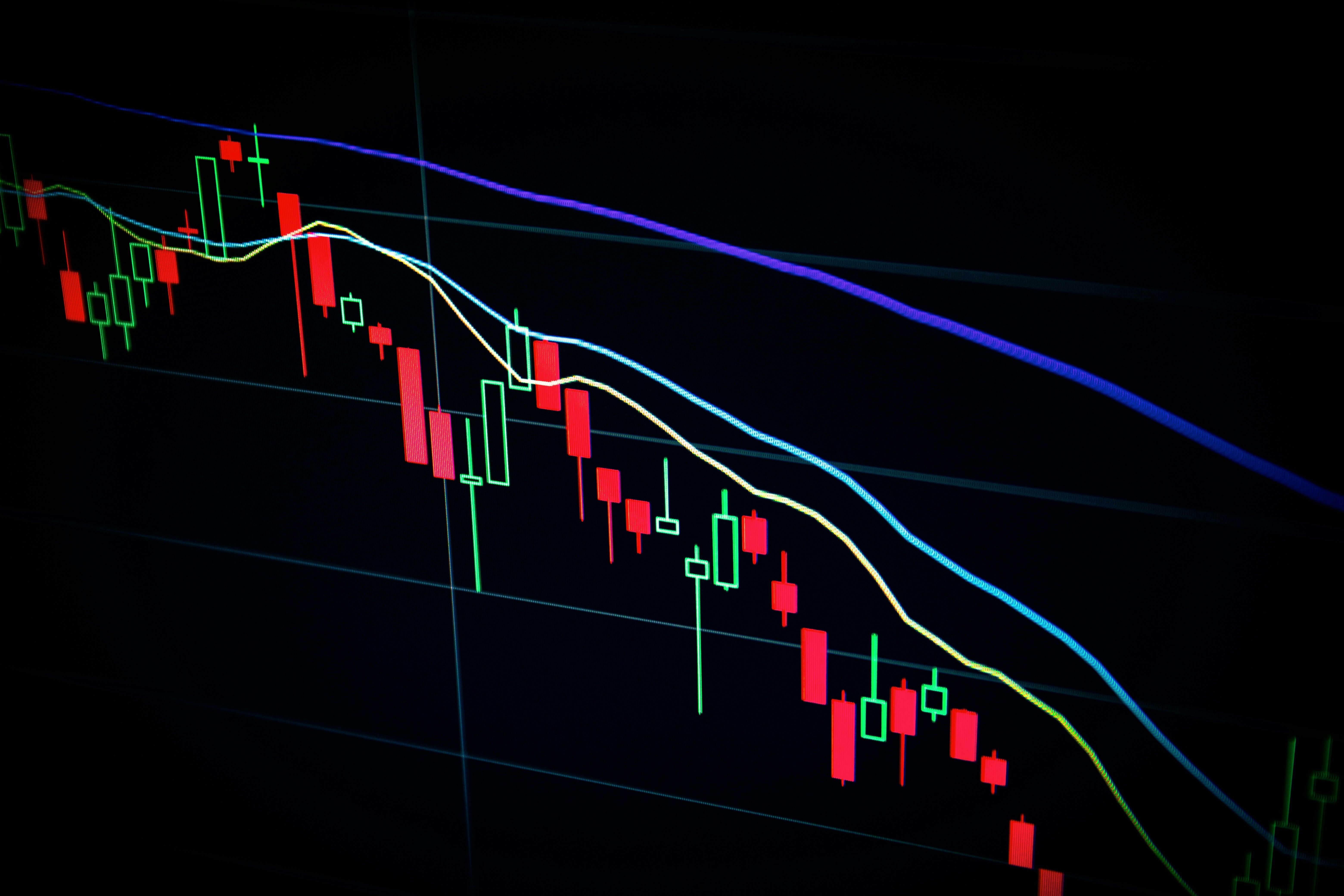
How the Forex Market Works
The Forex market is decentralized, meaning there is no central exchange. Instead, trading takes place electronically over-the-counter (OTC) through a global network of banks, brokers, and financial institutions.
Currency Pairs
Forex trading always involves trading currency pairs such as EUR/USD, GBP/USD, or USD/JPY. The first currency is called the base currency, while the second is the quote currency.
If EUR/USD = 1.1000, it means 1 Euro equals 1.10 US Dollars.

Types of Forex Markets
The Forex market can be divided into three main types:
- Spot Market: Immediate exchange of currencies at current prices.
- Forward Market: Contracts to exchange currencies at a future date.
- Futures Market: Standardized contracts traded on exchanges.
Advantages of Forex Trading
Forex trading offers several benefits that attract millions of traders worldwide.
- High liquidity and fast trade execution
- Low entry barriers for beginners
- Ability to use leverage
- Opportunities in both rising and falling markets
- 24-hour trading flexibility

Risks and Challenges in Forex Trading
Despite its advantages, Forex trading carries significant risks. Market volatility, emotional trading, and improper use of leverage can result in substantial losses.
Risk Management
Successful traders always apply strict risk management techniques, such as using stop-loss orders and risking only a small percentage of their capital per trade.
Forex Trading Strategies
Traders use different strategies depending on their goals, experience, and risk tolerance.
- Scalping: Short-term trades aiming for small profits.
- Day Trading: Opening and closing trades within the same day.
- Swing Trading: Holding trades for several days.
- Position Trading: Long-term trading based on fundamentals.

Conclusion
Forex trading is a powerful financial opportunity, but it requires patience, education, and discipline. Traders who invest time in learning market analysis, risk management, and strategy development have a much higher chance of long-term success.
Beginners should start with demo accounts, gradually build experience, and never risk money they cannot afford to lose.
